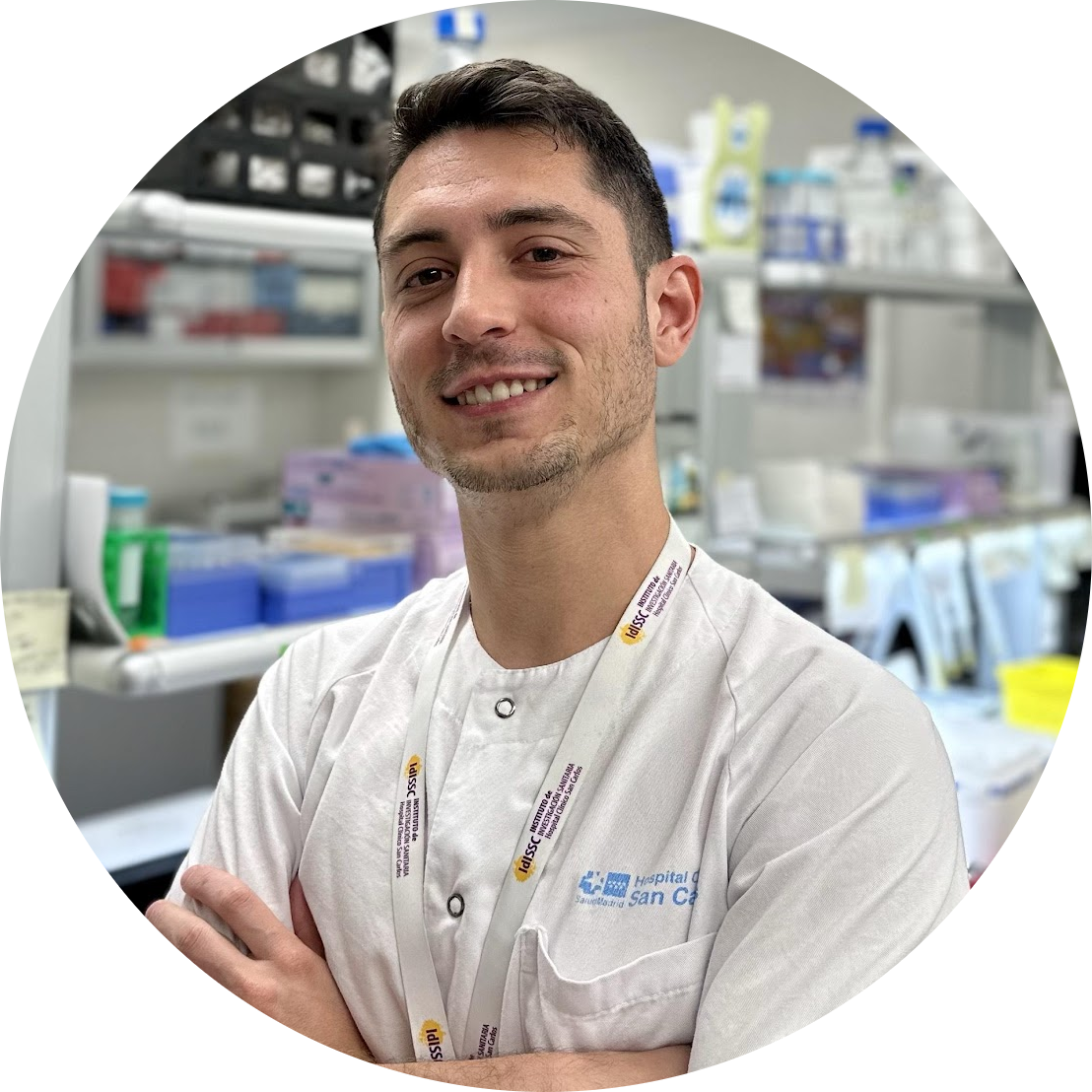
Luis studied a degree in Biochemistry in the University of Seville (2017) and a Master’s in Neuroscience at the Autonomous University of Madrid (UAM, 2017-19). He obtained his PhD in Biomedical Research (UCM, 2025), where his work explored how alterations in lipid metabolism, particularly cholesterol, contribute to the pre-symptomatic and early stages of ALS. Now, as postdoctoral researcher, he is focused on applying long-read sequencing technologies to uncover novel genetic factors in ALS. His work involves optimizing bioinformatics tools for variant calling to detect SNPs, SVs, CNVs, repeat expansions, and to perform epigenetic analyses. Outside the lab, Luis enjoys playing sports, watching true crime series, listening to music ranging from Linkin Park to Bad Bunny, and discovering new food spots. SEG 11065: EMBO Scientific Exchange Grant (SEG 11065). Short-term fellowship. Fellow: Luis C. Fernández Beltrán. Stay at Edinburgh Genomics Unit at the University of Edinburgh. September-November 2024
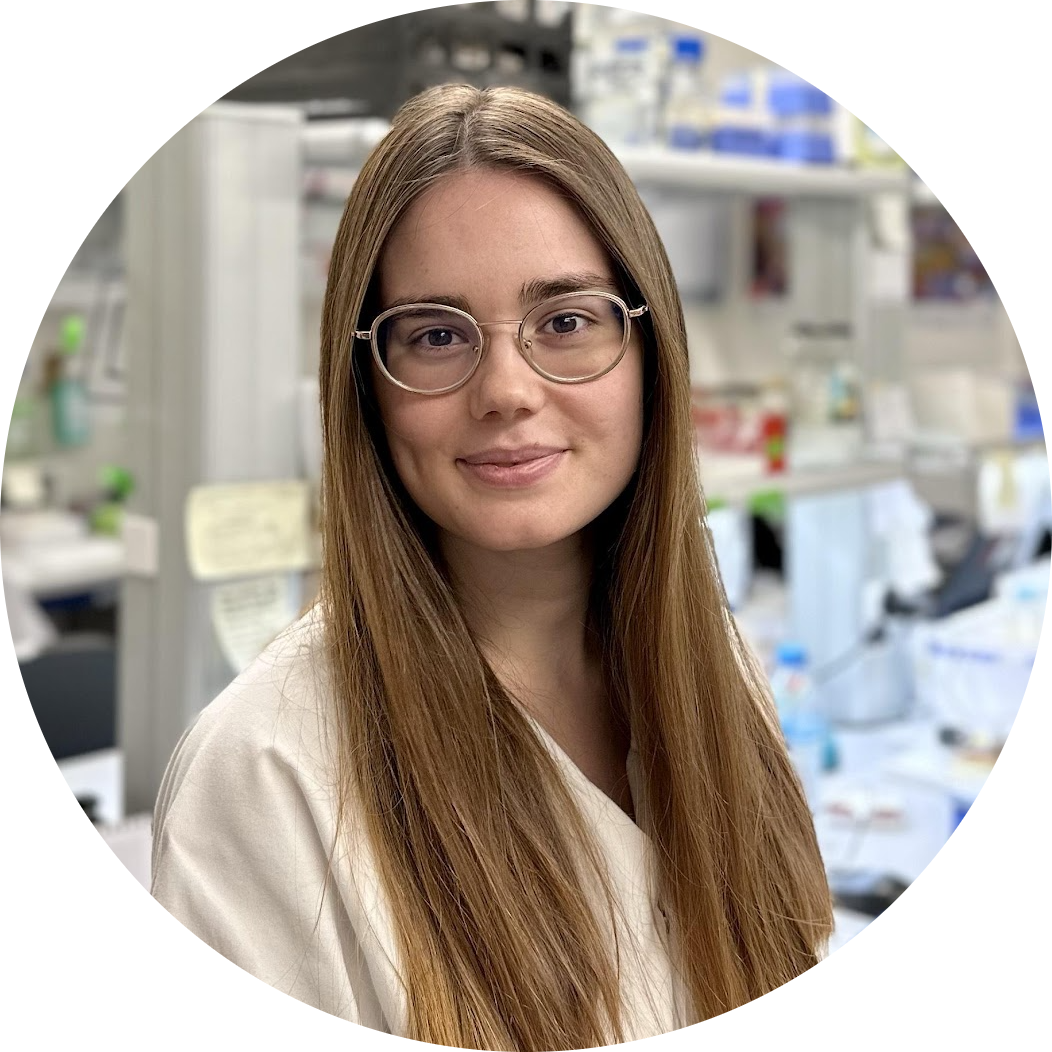
Irene studied a degree in Biochemistry at the University of Castilla-La Mancha (UCLM 2017-21), and a master's degree in Genetics and Cellular Biology at the Complutense University of Madrid (UCM 2021-22). Currently, he is a doctoral student in Biochemistry, Molecular Biology and Biomedicine taught by the UCM. His thesis consists of the study of alterations in lipid metabolism, focusing on the "lipid droplets" of TDP-43 proteinopathies in order to find a new pathophysiological mechanism. To do this, he uses molecular biology techniques (immunohisto/cytochemistry, qPCRs, flow cytometry, WB, etc...) and large-scale molecular study using lipidomics and proteomics. Her main hobbies are skating and traveling.
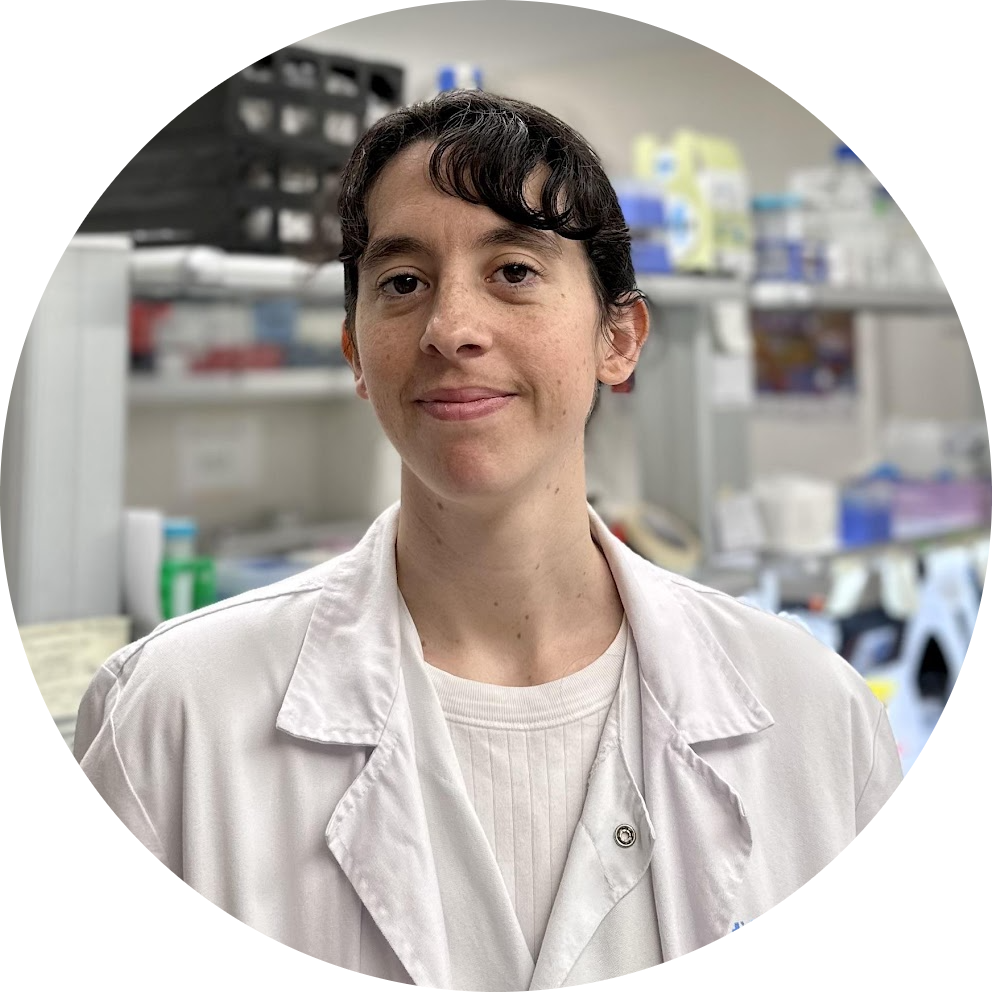
Irene Jiménez studied a Degree in Biology and a Master's in Health Analysis at the Complutense University of Madrid; as well as the higher degree of Dual Vocational Training as a Senior Laboratory Technician. It also has training in animal experimentation, grades A+B+C. His work in the laboratory consists of supporting researchers in their different experiments applying techniques such as cryostat histological sections, immunofluorescence, PCR, qPCR, Western Blot, cell culture, management of mouse colonies and their different procedures, etc., as well as Manage orders and laboratory stock. His professional projection is as follows: stability in a research laboratory as a research support technician. On a more personal level, he is a person with initiative, organized, meticulous and detail-oriented.
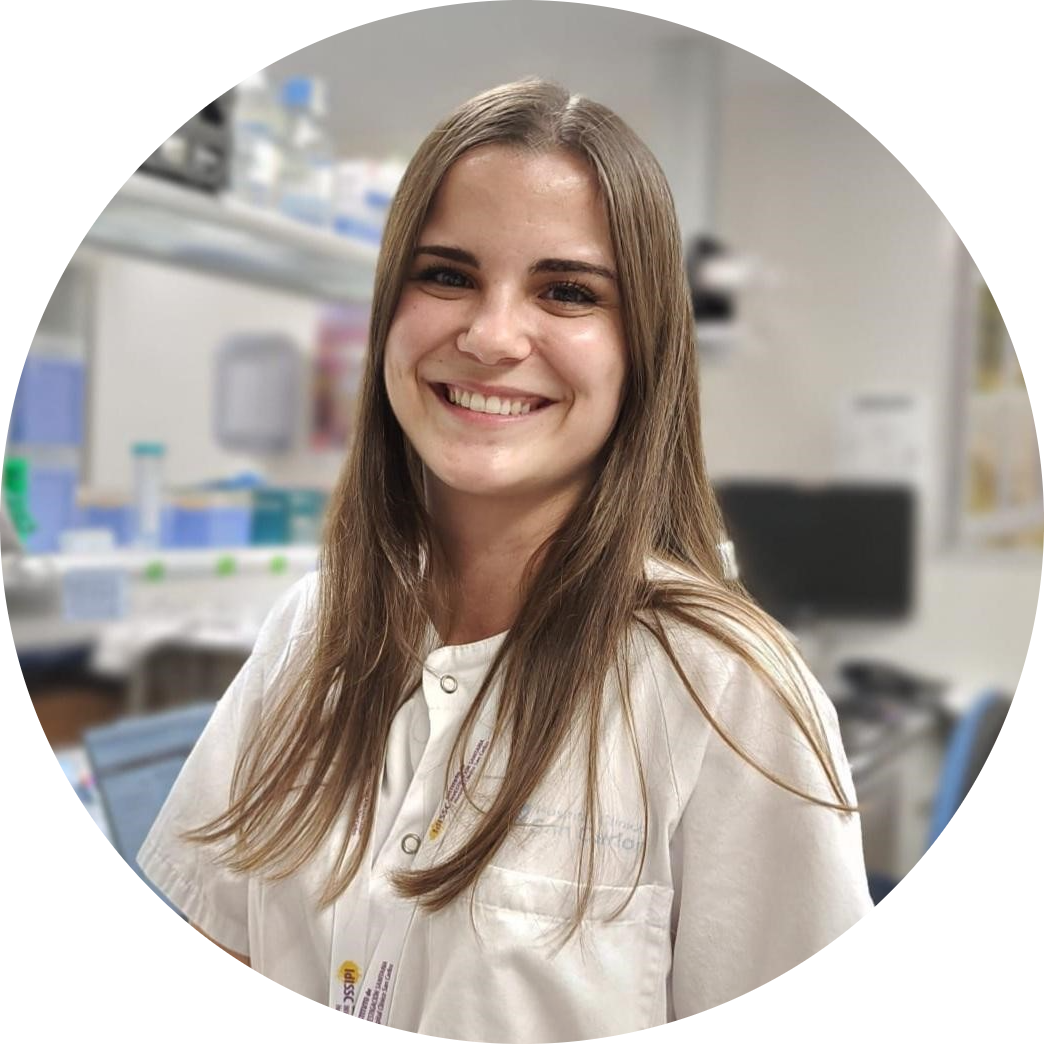
Laura studied the degree in Biochemistry at the Autonomous University of Madrid (2017-2021) and the Master in Health Analysis at the Complutense University of Madrid (2021-2023). During her Final Degree Project at CBMSO, she investigated the gain of function of fatty acid oxidation in renal fibrosis. She currently works as research assistant in the Metabolism and Neurodegeneration laboratory of the IdISSC. Her project consists of the study of TDP-43 proteinopathies both in humans (in controls and patients with ALS, frontotemporal dementia and other neurodegenerative diseases) and in a murine model. In her free time she likes to watch series and try new restaurants.
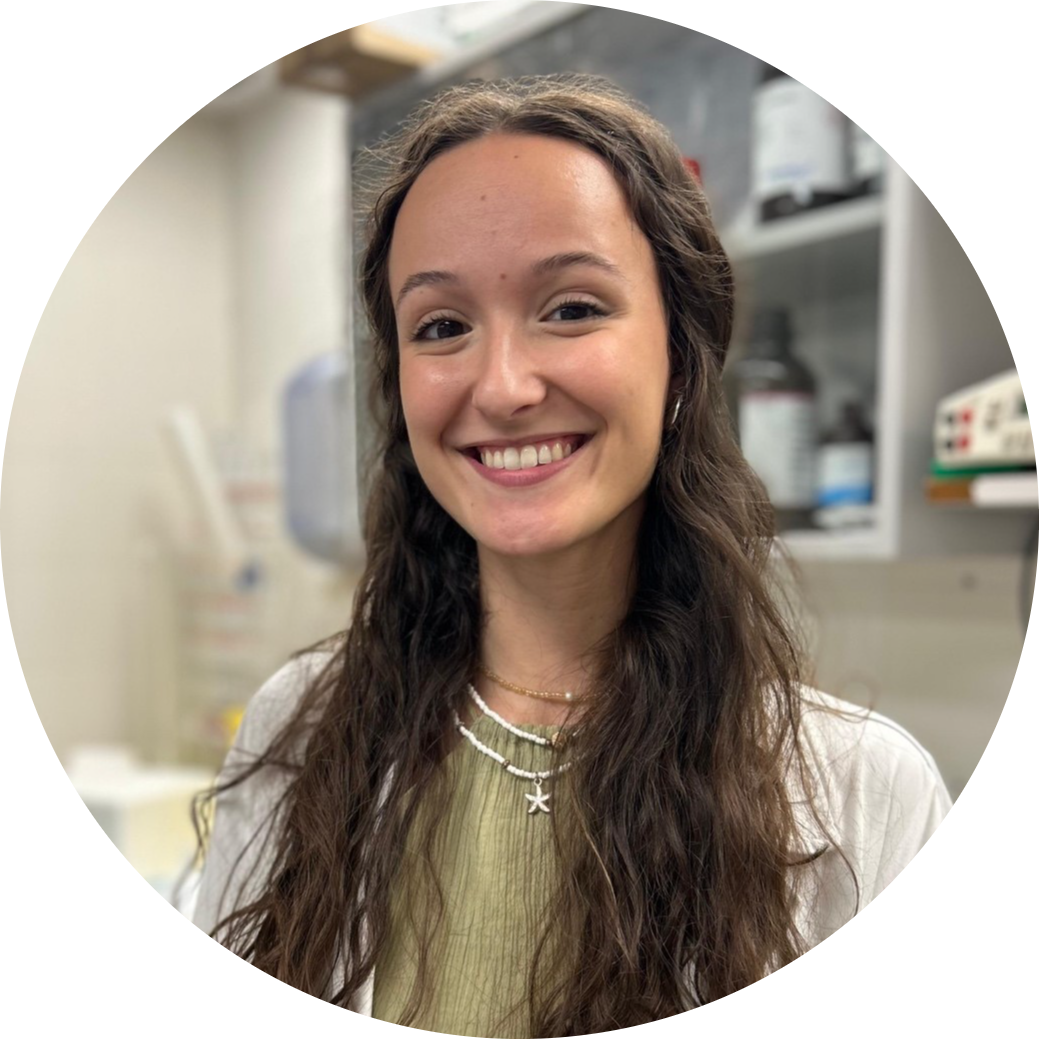
Karen studied the degree in Human Biology at the Pompeu Fabra University of Barcelona (2019 -2024), and a master´s degree in Neuroscience with a specialization in the clinical field at the Complutense University of Madrid (2024 -2025). Currently, she is a doctoral student in the Biomedical Research program of the Complutense University of Madrid. Her thesis consists in the characterization of a new mouse model with a mutation in the C9ORF72 gene, which is the most commonly mutated gene in patients with familiar amyotrophic lateral sclerosis. Her work is based on carrying out behavioral, motor and methabolic test and the study of molecular and cellular biology of the murine model. Among her hobbies, she enjoys reading novels, traveling, discovering new cultures, and trying new dishes.
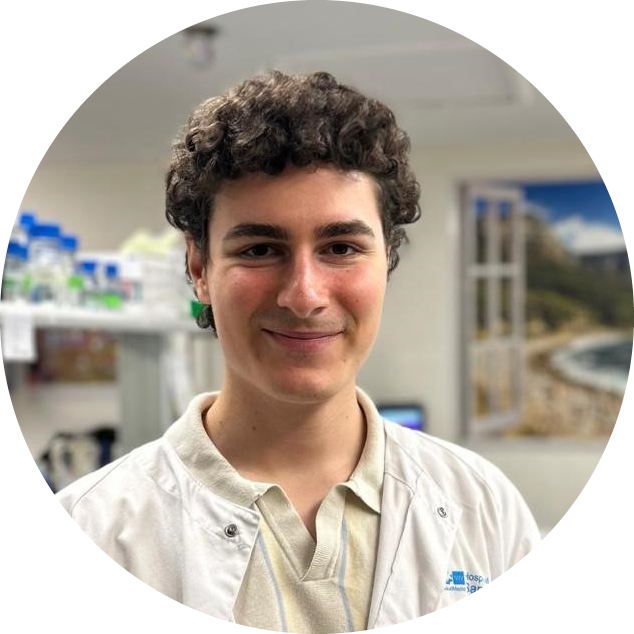
Jorge is currently pursuing his PhD in Computer Engineering at UCM, focusing on the intersection of AI applied to omics data obtained through long-read sequencing (Oxford Nanopore Technologies) and graph-based modeling, among other complementary methodologies. His research aims to develop robust and reproducible systems that support decision-making in biomedicine. He holds a degree in Biotechnology from UFV (2020–2024) and a Master’s in Computational Biology from UPM (2024–2025). For his Master’s thesis, he optimized the preparation of gDNA libraries for sequencing with Oxford Nanopore and designed and automated a bioinformatics pipeline for genomic variant analysis. Beyond academia, Jorge enjoys learning languages, exploring music, and being chronically online.
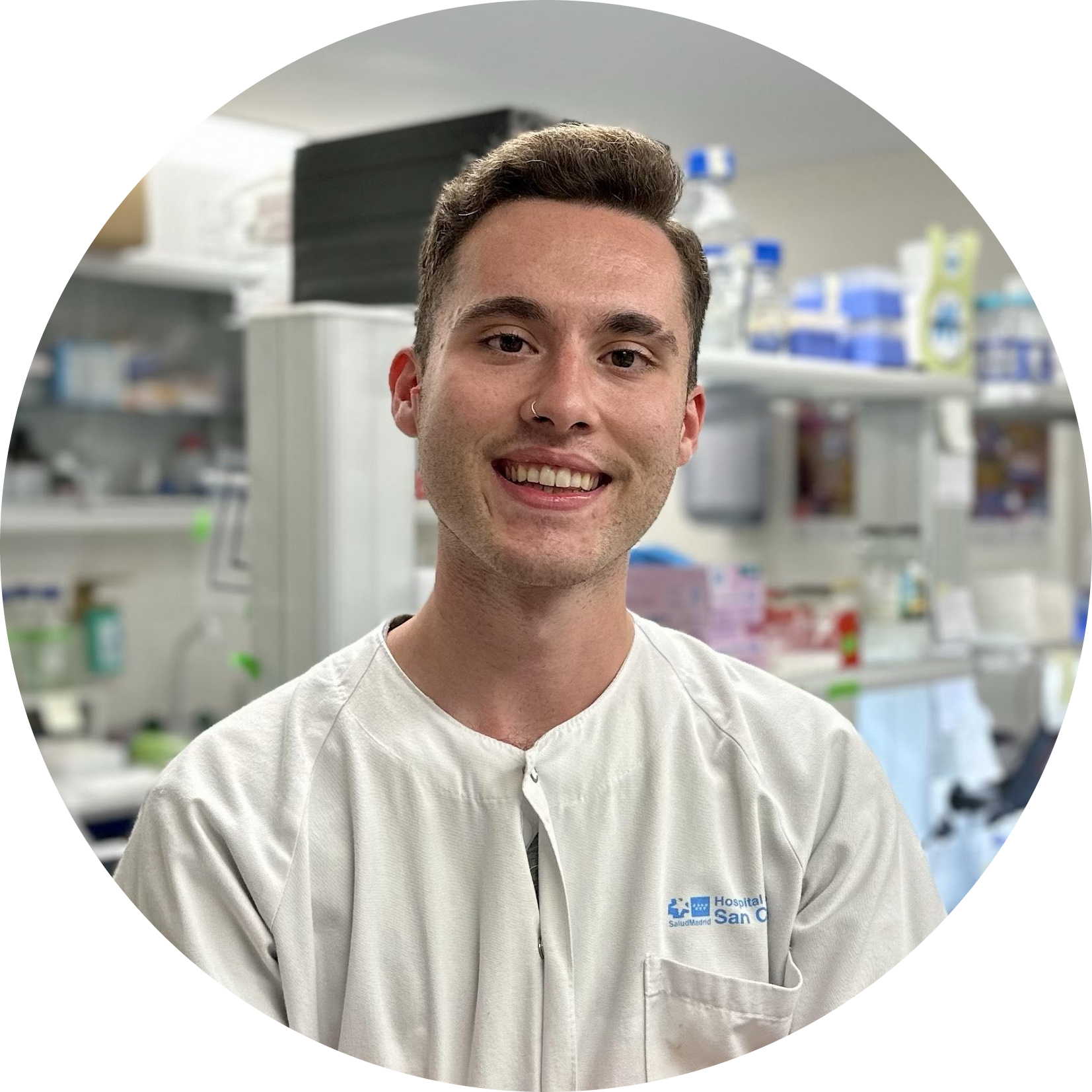
Jesús studied two higher degrees of FP: Pathological Anatomy and Cytodiagnosis at the IES Juan de Mairena (San Sebastián de los Reyes, 2019-2021) and Clinical and Biomedical Analysis Laboratory (Madrid, 2021-2022). He has training in animal experimentation, grades A+B+C. Since September 2022, he has been working in the Metabolism and Neurodegeneration laboratory, directed by Silvia Corrochano, at the San Carlos Clinical Hospital. His work focuses on collaboration with the lines of research carried out by laboratory researchers. Likewise, it collaborates in the management of the animal facility, carrying out weaning and genotypes for the control of the different lines of mice. Other works carried out are the histological processing of biological samples in paraffin for study under microscopy, cell cultures, immunofluorescence, ordering, among others. He has a great interest in international projects and, on a more personal level, some of his main hobbies are reading, listening to music, hiking and traveling.